

Global Food Prices End a Five-Month Decline, While Wheat Prices Rose Against the Trend by 1.8% in February
Amid mounting pressure from geopolitical tensions and rising energy costs, the Food and Agriculture Organisation of the United Nations (FAO) reported that global wheat prices increased by 1.8% month over month in February 2026. The burden of higher living costs is now moving from production regions to consumers’ breakfast tables.
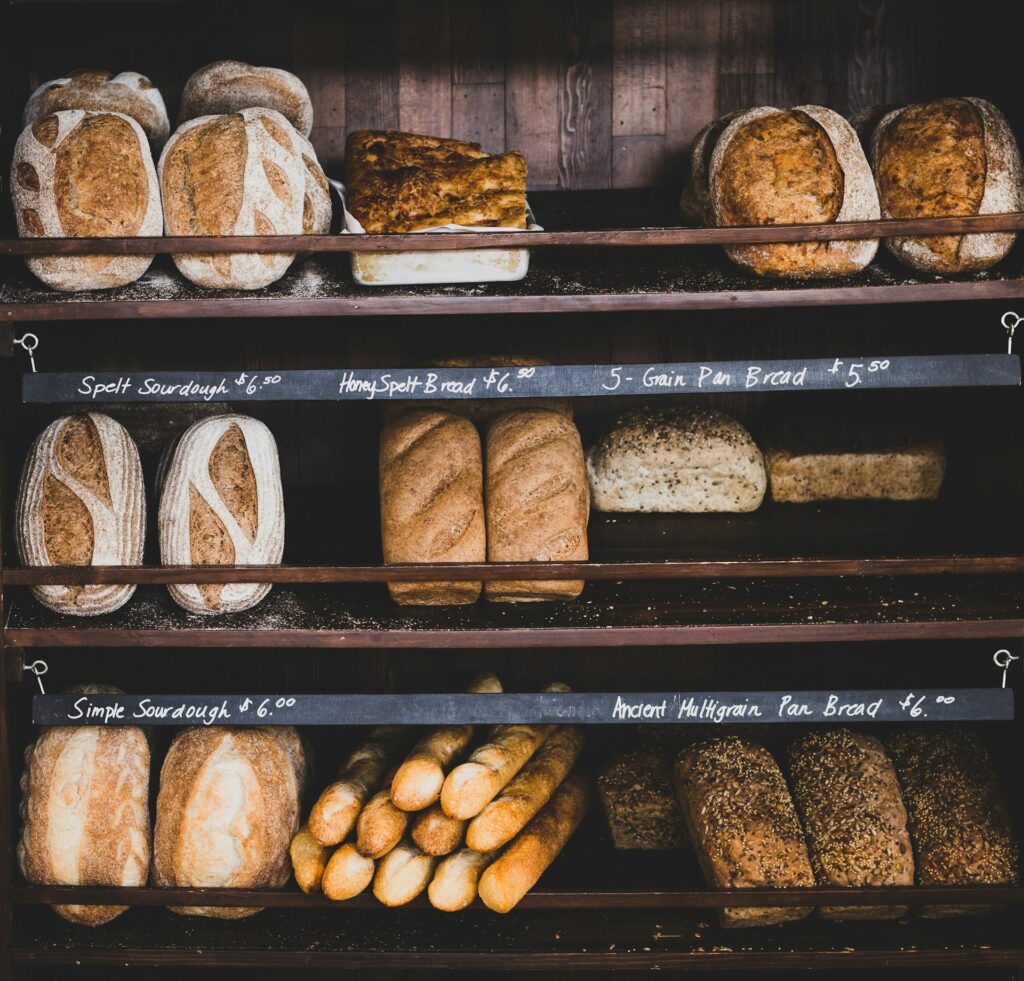
CHICAGO, IL (MERXWIRE) – Amid war-related instability and ongoing disruptions across global supply chains, everyday staple foods are facing a new wave of pressure. The latest data show that, at the beginning of 2026, global food prices ended a five-month downward trend and resumed rising. Among the most visible examples are bread and baked goods, which have become among the first to feel the weight of rising prices.
According to FAO statistics released in March, the global Food Price Index rebounded in February 2026 after a period of decline. Global wheat prices rose by 1.8% from the previous month. This increase was linked to frost damage in Europe and the United States. Heightened tensions in the Black Sea region also disrupted logistics and undermined global food supply stability.
In reality, fluctuations in grain prices are only part of the story. Rising energy and transportation costs are the more decisive factors behind higher bread prices. For bakeries, flour accounts for only one component of total cost; electricity for ovens and fuel for delivery vehicles can put even greater pressure on costs. In countries heavily dependent on imported energy, such as Egypt, fuel prices have recently surged by 14% to 17%. The government has even had to intervene to cap bread prices in order to shield the public from excessive hardship.
From the consumer side, price increases do not always appear directly on shelf labels. More often, they show up as “perceived inflation.” For example, a product’s price may remain the same, but its portion sizes may become smaller or thinner. Discounts like “buy one, get one” quietly disappear. People feel their purchasing power shrink when buying breakfast, and foods once seen as inexpensive now feel less like a bargain.
The baking industry is also confronting practical pressure to transform. In addition to rising raw material costs, bakeries face heavy burdens from electricity consumption and transportation expenses. If international oil prices remain volatile, businesses may reduce the supply of lower-margin budget products to sustain operations and shift toward higher-priced, premium bread offerings. Such a change in product mix could, in turn, increase everyday household spending in less visible ways.

Experts advise consumers to pay closer attention to portion sizes and promotional offers during periods of price volatility. Products such as bread, which people purchase daily, often serve as early warning signals. When their prices or quantities begin to change, it usually indicates that broader inflationary pressures are already triggering a chain reaction across the economy, and future developments warrant close monitoring.
Legal Disclaimer:
EIN Presswire provides this news content "as is" without warranty of any kind. We do not accept any responsibility or liability for the accuracy, content, images, videos, licenses, completeness, legality, or reliability of the information contained in this article. If you have any complaints or copyright issues related to this article, kindly contact the author above.
